


Introduction
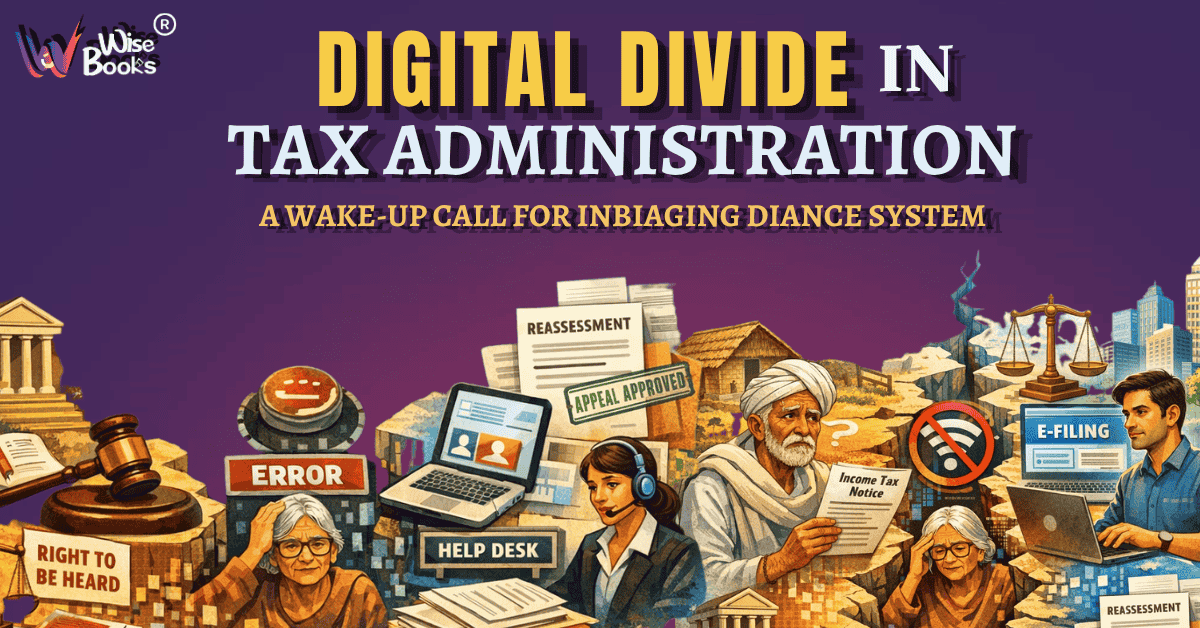
India’s tax administration has rapidly transitioned into a fully digital ecosystem, with e-filing, faceless assessments, and online notices becoming the norm. While this transformation has improved efficiency and transparency, a recent ruling by the Income Tax Appellate Tribunal highlights a critical issue—the digital divide.
In a significant decision, the tribunal granted relief to a taxpayer who failed to respond to income-tax notices due to lack of computer literacy, emphasizing that technology should enable justice, not obstruct it.
Background of the Case
The case involved a taxpayer whose appeal was dismissed earlier due to delay in responding to tax notices.
Key facts:
i. Notices were issued digitally (online mode)
- Taxpayer had:
→ No email access
→ No e-filing account
→ No computer literacy - As a result:
→ The taxpayer was completely unaware of proceedings - Assessment was completed under best judgment provisions (due to non-response)
The taxpayer later became aware only after receiving physical communication, and then approached authorities for relief.
Core Issue: Digital Divide
What is the digital divide?
It refers to the gap between:
- People who have access to digital tools & knowledge
- And those who do not
In tax administration, it means:
→ Not everyone can:
- Use e-filing portals
- Check emails regularly
- Understand online notices
Especially affects:
- Rural taxpayers
- Elderly individuals
- Small farmers
- First-time taxpayers
ITAT’s Key Ruling
The Income Tax Appellate Tribunal took a practical and justice-oriented approach:
Key decisions:
- Delay in response was condoned (accepted)
- Taxpayer was given a fresh opportunity to be heard
- Case was remanded for re-examination on merits
Tribunal clearly stated:
Procedural rules should advance justice, not defeat it
Legal Principles Applied
1. Principle of Natural Justice
“Right to be heard” is fundamental
If a taxpayer:
- Never received notice effectively
- Could not understand digital process
→ Then denying hearing = violation of justice
2. Reasonable Cause for Delay
The tribunal recognized:
- Lack of digital literacy = valid and genuine reason
This is important because:
- Normally, delays lead to rejection
- But here, human limitation was acknowledged
3. Substance Over Procedure
i. Law should focus on:
· Fairness of outcome, not just procedure
Why This Judgment Matters
1. Humanizing Digital Tax System
- Recognizes that not all taxpayers are digitally equipped
- Prevents injustice due to technological barriers
2. Limits of Faceless Assessment
i. India’s faceless system assumes:
- Everyone can interact digitally
ii. This case exposes a major flaw:
- Digital-only communication can fail in real-world scenarios
3. Precedent for Future Cases
i. Taxpayers can now argue:
- “I couldn’t respond due to lack of digital access”
ii. Courts may:
- Allow delayed appeals
- Reopen cases
4. Accountability of Tax Authorities
i. Authorities must ensure:
- Notices are effectively served, not just digitally sent
Challenges Highlighted by This Case
1. Over-Digitalization Risk
i. System assumes 100% digital literacy
ii. Reality: India still has large offline population
2. Communication Failure
i. Notices sent via email/portal
ii. But:
→ No confirmation of actual receipt
3. Rural & Elderly Exclusion
i. Many taxpayers rely on:
→ Consultants
→ Physical communication
Practical Takeaways for Taxpayers
To avoid such issues:
Always:
- Create e-filing account
- Link mobile & email
- Regularly check compliance notices
If you missed notices:
- File condonation request
- Approach:
→ CIT(A)
→ ITAT
Strong argument:
- Lack of digital awareness
- No proper service of notice
Way Forward: Bridging the Digital Divide
To ensure fairness, tax administration must:
Hybrid Communication Model
- Digital + Physical notices
Awareness Programs
- Training for small taxpayers
Assisted Compliance
- Help centers / facilitation units
Portal Simplification
- User-friendly interface
Conclusion
The ruling by the Income Tax Appellate Tribunal is a landmark reminder that:
Technology cannot replace accessibility and fairness
While India moves towards a digital tax ecosystem, inclusivity must remain at the core. Justice cannot be denied simply because a taxpayer lacks digital skills.


Comments
No comments yet. Be the first to comment!